

In the world of digital marketing and SEO, even small mistakes can affect a website’s performance. One keyword that has recently gained attention is page size checker spellmistake. At first glance, it may appear to be a simple typo-related query, but it actually highlights an important issue in website optimization and online search behavior.
Many users searching for SEO tools accidentally type incorrect spellings while looking for website analysis tools. As a result, terms like page size checker spellmistake become searchable keywords themselves. This reflects how real-world search patterns work and why businesses must understand user intent rather than focusing only on perfect grammar.
Website performance is one of the biggest ranking factors in modern SEO. Slow-loading pages can negatively impact user experience, search engine rankings, and conversion rates. This is where page size checker tools become valuable because they help website owners identify page weight and optimize loading speed.
At the same time, spelling mistakes in search queries reveal another important aspect of SEO—people do not always search perfectly. Smart content strategies often consider variations, typos, and related keywords to capture broader traffic opportunities.
This article explores page size checker spellmistake in detail, including its connection to SEO, website speed, user behavior, keyword strategies, and the importance of page optimization.
Understanding the Meaning of Page Size Checker SpellMistake
The keyword page size checker spellmistake combines two concepts: website page size analysis and search query spelling errors. Together, they create an interesting example of how online search behavior works.
A page size checker is a tool used to measure the total size of a webpage, including images, scripts, CSS files, and other elements. These tools help website owners determine whether a page is too heavy and potentially slow to load.
The second part of the keyword, spellmistake, reflects how users sometimes search using incorrect spellings or unusual phrasing. Instead of typing “spelling mistake” separately, users may combine words or type quickly without correcting errors.
This behavior matters because search engines today are highly advanced. They can often understand user intent even when queries contain mistakes. As a result, keywords like page size checker spellmistake can still generate traffic and become relevant in SEO discussions.
For marketers and bloggers, understanding these search patterns can create opportunities to target real-world user behavior more effectively.
Why Page Size Matters for Websites
One of the most important aspects of modern website optimization is page size. Large pages take longer to load, which can frustrate visitors and increase bounce rates.
When users leave a website because it loads slowly, search engines may interpret this as a poor user experience. This can affect rankings over time. That is why page size checker spellmistake searches often relate indirectly to SEO and performance optimization.
Heavy images are one of the biggest reasons pages become oversized. Uncompressed media files can dramatically increase load times, especially on mobile devices.
JavaScript and CSS files can also contribute to large page sizes. Websites with unnecessary scripts or poorly optimized code often struggle with performance issues.
Using a page size checker allows website owners to identify problems and improve efficiency. Faster websites generally perform better in search results and provide a smoother experience for visitors.
The growing interest in page size checker spellmistake highlights how users are becoming more aware of the connection between website speed and SEO success.
How Spell Mistakes Affect SEO Searches
The keyword page size checker spellmistake also reveals something important about search engine optimization: users frequently make typing mistakes while searching online.
In the early days of SEO, exact-match keywords were extremely important. Today, search engines are much smarter and can interpret variations, synonyms, and spelling errors effectively.
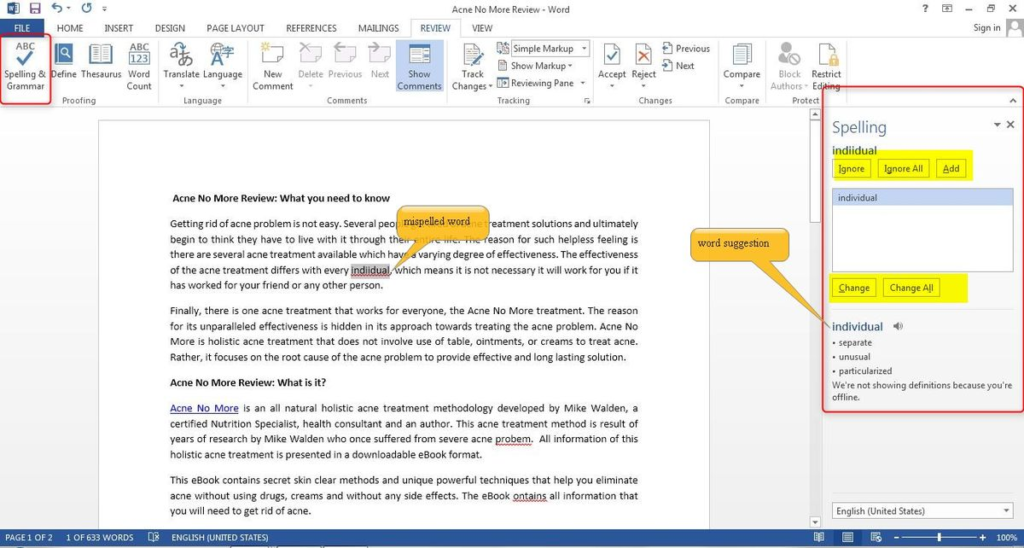
This means websites can still rank for typo-related searches if their content matches user intent. In some cases, low-competition misspelled keywords may even create traffic opportunities.
However, website owners should be careful. Intentionally stuffing content with spelling errors can damage readability and reduce trust. The goal is to naturally address user intent without sacrificing quality.
Another important factor is voice search. As voice-based searching grows, search engines increasingly focus on meaning rather than exact wording. This changes how keywords like page size checker spellmistake are interpreted and ranked.
Understanding real user search habits allows marketers to create more practical and audience-focused SEO strategies.
Benefits of Using a Page Size Checker Tool
Page size checker tools are extremely useful for website owners, developers, bloggers, and SEO professionals. These tools provide insights into page performance and help identify optimization opportunities.
One major benefit is improved loading speed. By analyzing page weight, users can reduce unnecessary elements and create faster websites.
Another advantage is better mobile performance. Mobile users often browse on slower internet connections, making lightweight pages more important than ever.
Page size checker tools also help improve user experience. Faster websites keep visitors engaged longer and reduce bounce rates.
SEO performance can improve as well. Search engines prioritize websites that deliver smooth and efficient experiences, especially on mobile devices.
Additionally, page optimization can reduce hosting and bandwidth costs. Smaller pages consume fewer resources, which can be beneficial for high-traffic websites.
The increasing popularity of searches like page size checker spellmistake reflects growing awareness about technical SEO and website efficiency.
Common Causes of Large Page Sizes
Many websites become slow because owners overlook technical optimization. Understanding the common causes of oversized pages is essential for improving performance.
One of the biggest issues is unoptimized images. High-resolution images may look attractive, but they can dramatically increase loading times if not compressed properly.
Another common problem is excessive plugins and scripts. Websites built with too many third-party tools often load unnecessary code that slows performance.
Large video files can also affect speed. Embedded videos and autoplay media increase page weight significantly.
Poor coding practices are another factor. Unused CSS and JavaScript files add unnecessary bulk to webpages.
Caching issues may also contribute to performance problems. Proper browser caching allows repeat visitors to load pages faster.
Using a page size checker helps identify these issues quickly. Website owners can then optimize resources and improve overall site performance.
The keyword page size checker spellmistake demonstrates how even typo-based searches can lead users toward valuable SEO and optimization insights.
Best Practices for Website Optimization
Improving website speed requires a combination of technical optimization and smart content management. Businesses that focus on performance often achieve better user engagement and SEO results.
One of the best practices is image compression. Modern image formats and compression tools can significantly reduce page size without affecting quality.
Minifying CSS and JavaScript files is another effective strategy. Removing unnecessary spaces and code reduces file sizes and improves loading speed.
Content delivery networks, commonly known as CDNs, also help improve performance by delivering content from servers closer to users.
Lazy loading is another useful technique. Instead of loading all images immediately, websites can load media only when users scroll to specific sections.
Regular testing is equally important. Page size checker tools should be used frequently to monitor website performance and identify new issues.
Finally, mobile optimization should always remain a priority. Since most internet traffic now comes from mobile devices, lightweight and responsive pages are essential.
These strategies show why searches related to page size checker spellmistake continue to appear among website owners and SEO professionals.
Final Thoughts
The keyword page size checker spellmistake may seem unusual at first, but it highlights several important aspects of modern SEO and website optimization. It reflects how real users search online, including typing mistakes and unconventional phrasing.
At the same time, it emphasizes the importance of website performance. Fast-loading pages improve user experience, support higher search rankings, and increase engagement.
Page size checker tools play a critical role in helping businesses identify technical issues and optimize their websites effectively. From image compression to code optimization, small improvements can make a major difference.
The keyword also demonstrates how search engines have evolved. Today’s SEO strategies focus more on user intent and natural behavior rather than perfect keyword matching alone.
Ultimately, understanding search trends like page size checker spellmistake helps marketers, bloggers, and developers create smarter and more user-focused digital experiences.
FAQs About Page Size Checker SpellMistake
1. What is a page size checker?
A page size checker is a tool that measures the total size of a webpage, including images, scripts, and other resources.
2. Why does page size matter for SEO?
Large page sizes can slow loading speed, negatively affecting user experience and search engine rankings.
3. What does “spellmistake” mean in this keyword?
It reflects a typing or spelling variation commonly used by real users during online searches.
4. Can misspelled keywords still rank in search engines?
Yes, modern search engines can understand user intent even when queries contain spelling mistakes.
5. How can I reduce my website’s page size?
You can optimize images, reduce unnecessary scripts, enable caching, and minify CSS and JavaScript files.
6. Are page size checker tools free to use?
Many online page size checker tools offer free versions for website performance analysis.
